
What Makes Juro Stand Out in CLM Solutions
Table of Contents
What Makes Juro Different in the CLM Space
Contract lifecycle management platforms often involve cumbersome setups and complex interfaces that legal teams tolerate rather than enjoy. Contract lifecycle management software centralizes and automates the full contract lifecycle, from creation and negotiation through signing, storage, and reporting, all in one platform. Juro CLM, launched from the London legal tech scene in 2016, revolutionizes this by aligning with how modern teams work. Its AI-native architecture, developed before the term became popular, targets mid-market companies seeking powerful contract management without the complexity of enterprise systems.
Juro operates entirely in-browser, avoiding Word dependencies and version control issues. With an average deal size of $34,000 annually, Juro positions itself between basic e-signature tools and resource-heavy enterprise systems.
The London Legal Tech Origins
Juro’s Position in the CLM Market:
Juro addresses the frustrations of in-house legal teams. Born in London’s legal tech ecosystem, it recognized that contract management bottlenecked fast-growing businesses. Designed for mid-market firms, Juro stands out for its in-browser approach, turning contracts into cloud-based documents. With substantial funding, Juro expanded its AI and market presence beyond the UK, focusing on product development from its London base.
AI-Native Architecture That Matters
Juro’s AI-native approach was integral from the start, not retrofitted. Juro’s AI Legal Assistant streamlines contract lifecycle management by automating key tasks through three core capabilities: AI Extract, AI Draft, and AI Review. This integration enhances contract data handling and learning from specific contract patterns. Contract review features flag issues and suggest language, allowing a mid-market SaaS company to identify $200,000 in recurring revenue. AI optimizes extracting key dates, normalizing language, and routing contracts.
In-Browser Contracts
AI Legal Assistant Capabilities:

Enabling full contract editing in-browser transforms collaboration. Unlike traditional Word-based systems, Juro uses structured data editable directly online, removing the need for Microsoft licenses. This facilitates input from sales, legal, and finance, enabling negotiations without Word attachments. Juro mirrors platforms like Google Docs, allowing real-time collaboration, which reduced one customer’s negotiation cycle from 18 to 9 days.
Mid-Market Focus
Targeting mid-market companies and startups, Juro is designed for quick setups, with pricing affordable for mid-market teams. Serving companies with 200-2,000 employees, Juro avoids extensive consulting to deliver value promptly, with most seeing improvements within a quarter compared to 12-18 months for enterprise CLM.
Core Features for Modern Contract Management
Contract Lifecycle Workflow:
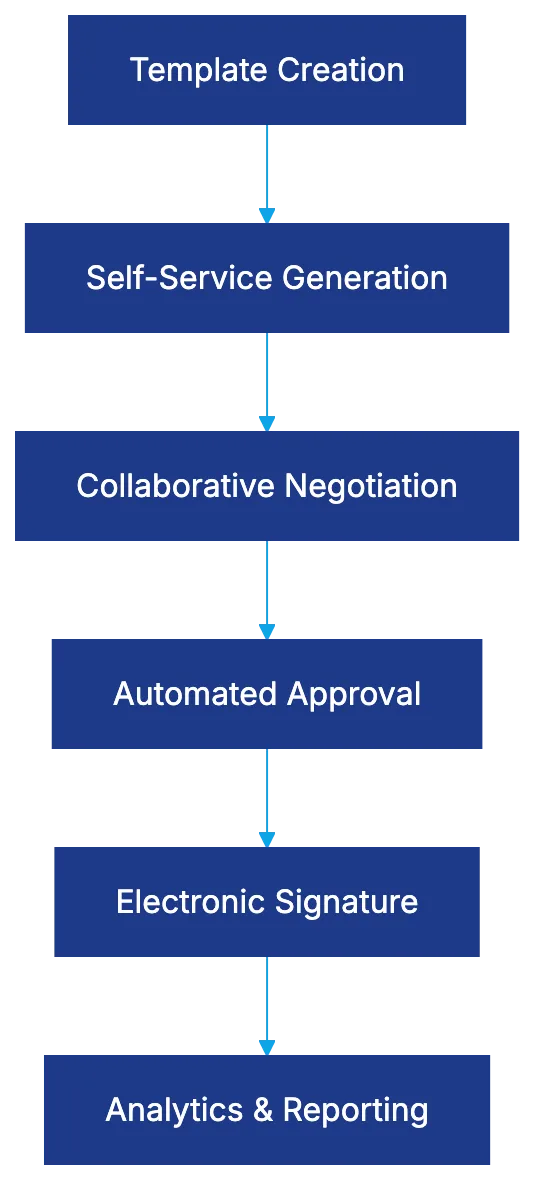
Juro focuses on workflows within contract-heavy organizations, enabling self-service contract generation with templates containing conditional logic and required fields. Collaborative negotiation features automate approvals, and external parties can review within Juro. Automated workflows trigger actions based on contract events, and an analytics dashboard provides insights like contract closing times.
Combining Environment for Business Tools
Juro integrates with key business tools like Salesforce and HubSpot, enabling sales teams to manage contracts within CRMs. Juro’s flexible integrations allow contracting to happen anywhere—right where your colleagues already work. Slack integration expedites approvals, with customers noting approval times dropped from 3 days to 4 hours. Juro connects to HR, procurement, and accounting systems, allowing API access for custom integrations.
Integration Ecosystem:

Implementation and Time to Value
Juro promises fast setups, crucial for mid-market buyers. Implementation involves mapping contract types and setting up workflows, taking 6-8 weeks to full use. Adoption challenges require careful training and phased rollout, often starting with high-volume contracts like NDAs.
Pricing Considerations
Juro’s typical annual deal is around $34,000. Pricing varies by contract volume and features, with annual and multi-year agreements common for cost stability, delivering quick ROI for mid-market buyers.
Common Use Cases
Sales contracts are prevalent for Juro customers, enabling fast agreement generation without burdening legal teams. HR agreements, like offer letters, benefit from template-based routing, significantly reducing generation times. Procurement contracts maintain compliance with automated approval routing.
Limitations
Juro suits mid-market needs but lacks deep compliance features for Fortune 500 companies and highly specialized agreements. Reporting and analytics are basic, requiring additional solutions for complex BI needs, and integration breadth is limited for full enterprise systems.
How Juro Compares
The CLM market ranges from basic e-signature platforms like DocuSign to enterprise systems like Icertis. Juro fits between, offering more functionality than DocuSign and faster implementation than Icertis. Mid-market competitors like Ironclad and ContractWorks offer similar approaches but differ in features.
The Bottom Line
Juro provides modern contract management for mid-market teams without enterprise complexity. Its AI-native architecture adds value, and browser-based contracts eliminate traditional workflow chaos. For growing businesses managing substantial contract volumes, Juro aligns well with modern software stacks, delivering functionality without overwhelming complexity.
Frequently Asked Questions
How does Juro handle contract collaboration?
Juro's in-browser contract editing capabilities allow multiple users to collaborate in real-time, similar to Google Docs. This eliminates the need for Microsoft Word and facilitates input from various teams like sales, legal, and finance, streamlining the negotiation process.
What is the typical implementation timeline for Juro?
Implementation of Juro generally takes about 6-8 weeks. This process includes mapping contract types and setting up workflows to ensure a smooth transition to full use of the platform.
What features does Juro offer for mid-market companies?
Juro provides features like self-service contract generation with templates, automated workflow triggers based on contract events, and an analytics dashboard to monitor contract performance. These tools are specifically designed to cater to the needs of mid-market organizations.
How does Juro integrate with other business tools?
Juro offers flexible integrations with key business tools like Salesforce and HubSpot, allowing teams to manage contracts where they work. Additionally, it connects with HR, procurement, and accounting systems, enhancing its utility across the organization.
What types of contracts are most commonly managed with Juro?
Juro is frequently used for managing sales contracts, HR agreements, and procurement contracts. Its template-based routing system significantly speeds up the creation and approval of these documents.
What are the pricing options for Juro?
The typical annual deal for Juro is around $34,000, with pricing varying based on contract volume and features. The platform often offers annual and multi-year agreements to provide cost stability for mid-market buyers.
What are the limitations of using Juro?
While Juro serves mid-market needs effectively, it may lack deep compliance features suitable for Fortune 500 companies and specialized contracts. Additionally, its reporting and analytics capabilities are basic compared to full enterprise solutions.
Related Articles
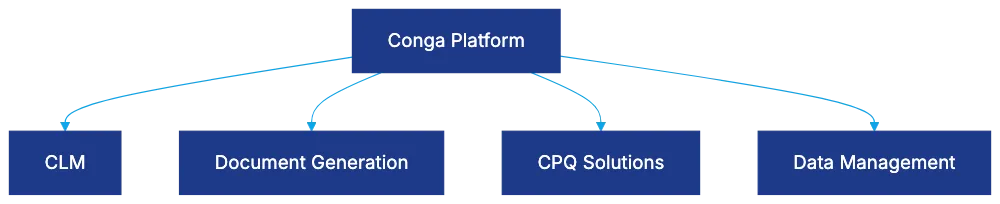
Conga: Revolutionizing Legal Technology for Professionals
Discover how Conga streamlines contract management and document generation for legal teams using Salesforce.
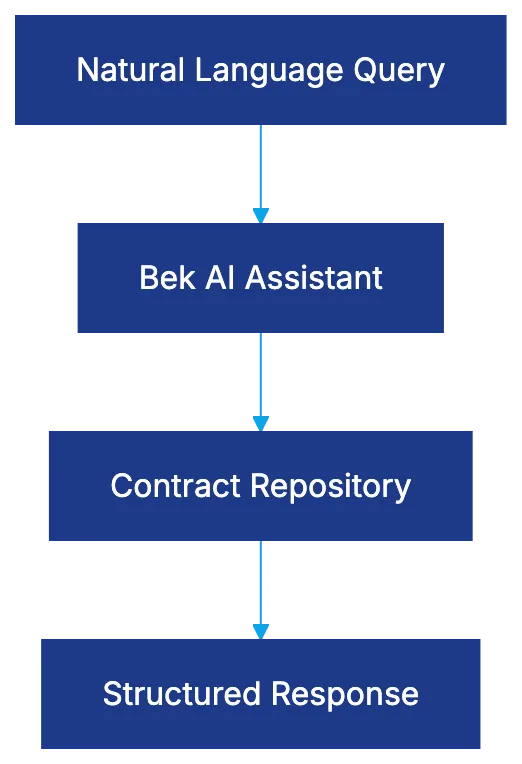
Malbek's Innovative Take on Contract Lifecycle Management
Explore how Malbek's conversational AI transforms contract lifecycle management for legal teams in mid-market and enterprise organizations.
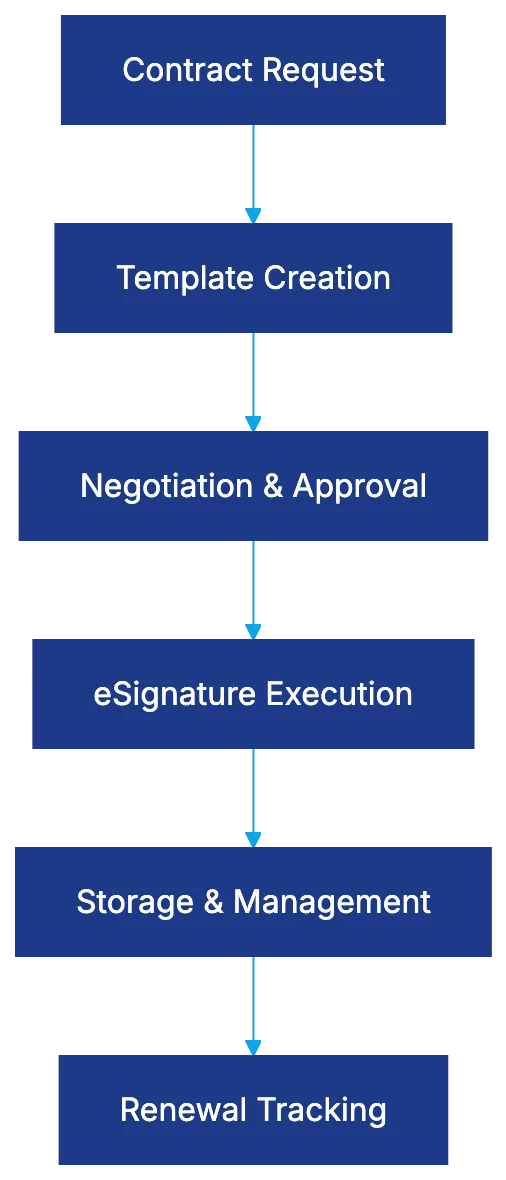
DocuSign CLM: Streamlining Contract Management
Discover how DocuSign CLM enhances contract management with seamless e-signature integration and powerful automation features.