Sirion: A Leader in Contract Lifecycle Management
Table of Contents
- What Makes Sirion Different in the CLM Space
- From 2012 Startup to Haveli Investments Acquisition
- The AgentOS Architecture for Contract Intelligence
- Post-Signature Management: Where the Real Work Happens
- Enterprise-Scale Contract Management: The Numbers
- Gartner Recognition and Market Position
- Core Features for Legal Workflows
- Real-World Applications Across Industries
- Implementation Considerations for Legal Teams
- The Bottom Line
- What Makes Sirion Different in the CLM Space
- From 2012 Startup to Haveli Investments Acquisition
- The AgentOS Architecture for Contract Intelligence
- Post-Signature Management: Where the Real Work Happens
- Enterprise-Scale Contract Management: The Numbers
- Gartner Recognition and Market Position
- Core Features for Legal Workflows
- Real-World Applications Across Industries
- Implementation Considerations for Legal Teams
- The Bottom Line
What Makes Sirion Different in the CLM Space
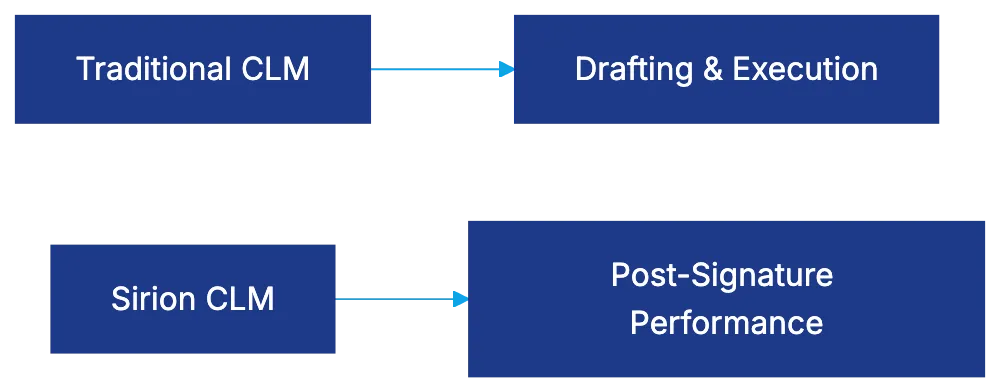
The contract lifecycle management (CLM) platform market is crowded with vendors offering AI-powered solutions. Sirion, however, focuses on post-signature contract performance management, while most CLM platforms emphasize drafting and execution. This focus has proved successful, with Sirion managing over five million contracts worth $450 billion for clients like Qantas, Credit Suisse, and Morgan Stanley. Recognized as a Gartner Leader in its Magic Quadrant for Contract Lifecycle Management for four years, Sirion ranked number one in all four Gartner crucial capabilities in 2024. Sirion exemplifies differentiation and enterprise contract AI in the CLM market.
From 2012 Startup to Haveli Investments Acquisition
Founded in 2012 in Bellevue, Washington, Sirion raised $171 million in venture funding, including a $110 million Series D round. This funding fueled product development and platform evolution. In January 2024, Haveli Investments acquired Sirion, marking a shift to private equity ownership and indicating stability and ongoing investment, as Sirion aims for profitability.
The maturing CLM market is assessing platforms for AI capabilities and post-signature contract performance. Legal teams using or considering Sirion can expect continued innovation under Haveli Investments’ leadership.
CLM Platform Focus Comparison:
The AgentOS Architecture for Contract Intelligence
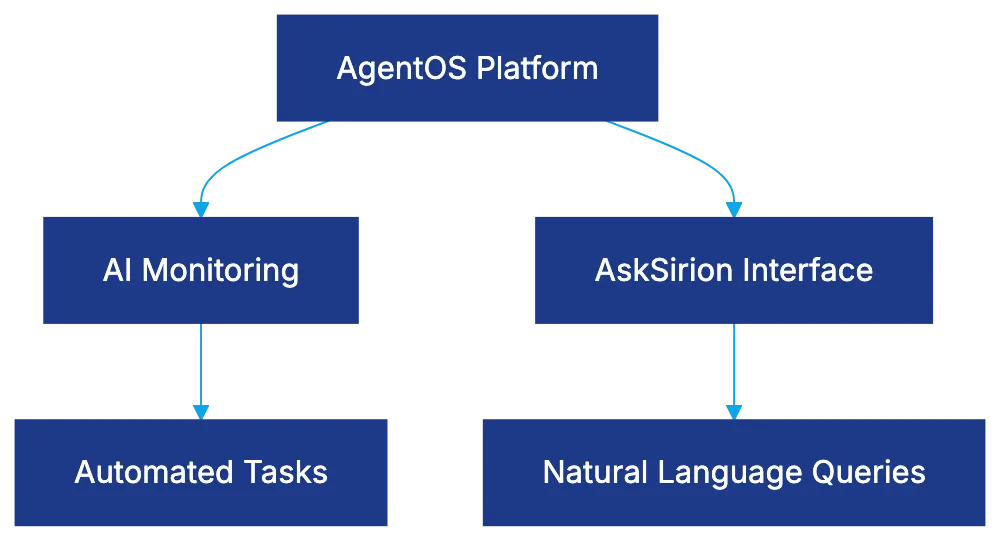
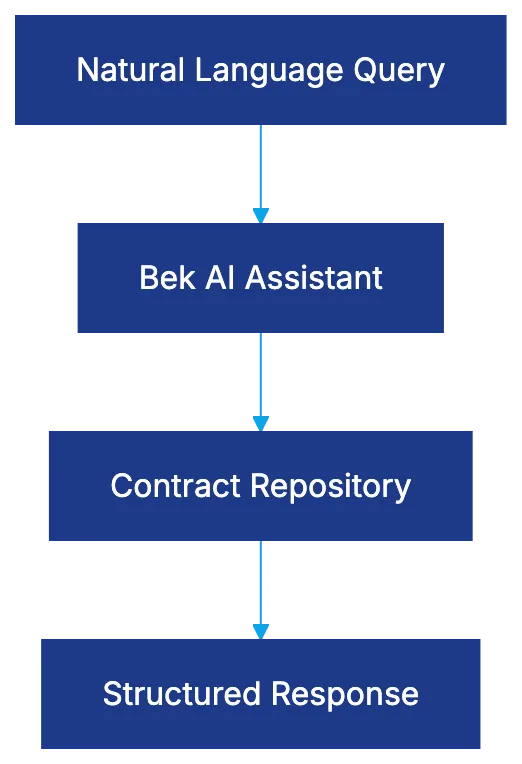
Sirion’s technology features “AgentOS,” an operating system supporting AI agents in contract tasks. Unlike traditional platforms, AgentOS facilitates AI monitoring to identify obligations, flag issues, extract data, and surface risks.
AgentOS addresses scale management challenges with automation. It includes “AskSirion,” a conversational interface that allows users to query contract data in natural language, simplifying contract intelligence access.
Post-Signature Management: Where the Real Work Happens
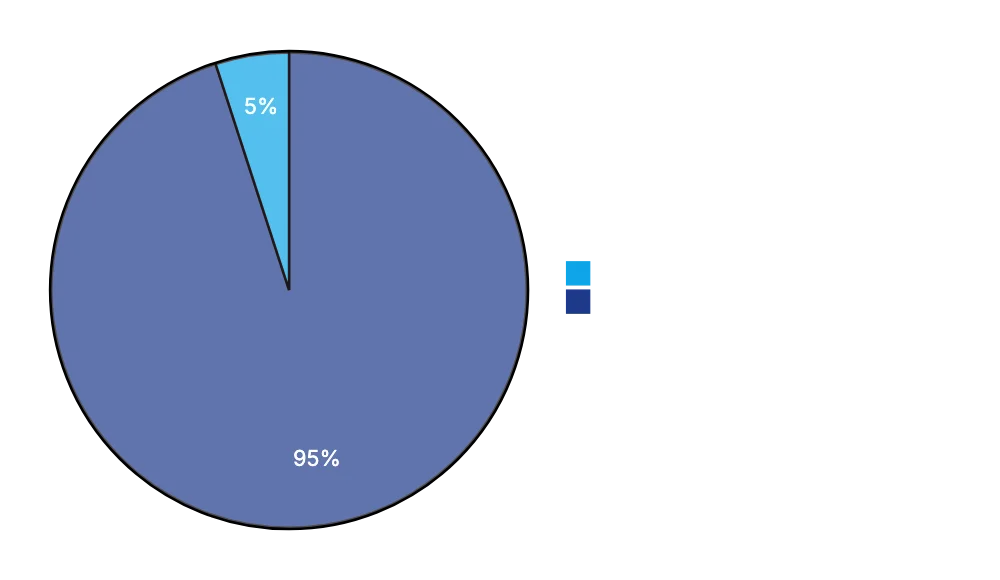
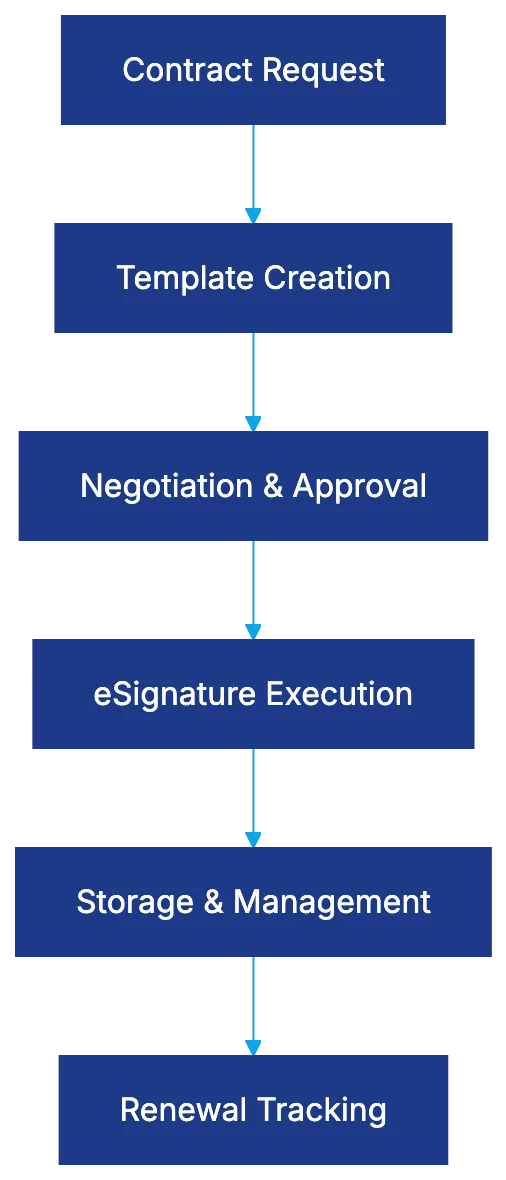
Contracts spend minimal time in negotiation compared to years in performance. Sirion’s platform manages post-signature activities like obligation tracking and performance monitoring.
In a multi-year technology services agreement, Sirion automates tracking dates, monitoring performance, and preparing for renewals, shifting legal professionals to strategic decision-making.
Enterprise-Scale Contract Management: The Numbers
AgentOS Architecture Overview:
Managing over five million contracts valued at $450 billion, Sirion targets large organizations with complex contract portfolios. Clients face common challenges: contract volume, jurisdictional complexities, regulatory demands, and performance risk. Sirion integrates workflow orchestration and advanced analytics to address these challenges.
Gartner Recognition and Market Position
Sirion’s recognition as a Gartner Leader highlights its maturity, stability, and broad capabilities. Its high rankings signal product maturity and operational strength. Gartner research should complement unique organizational considerations when selecting a CLM platform.
Contract Lifecycle Time Distribution:
Core Features for Legal Workflows
Sirion excels in post-signature capabilities alongside standard CLM features like contract authoring and electronic signatures. It automates obligation management, renewal tracking, and compliance, providing insights into risk and performance.
Real-World Applications Across Industries
Sirion’s clients span industries, each with unique needs. Financial services manage contracts with security and compliance demands, telecommunications handle supplier agreements, and airlines deal with maintenance contracts. Legal departments use Sirion to monitor performance and ensure compliance.
Implementation Considerations for Legal Teams
Adopting Sirion requires planning, complex data migration, and integration with existing systems. User adoption is essential, involving training and stakeholder buy-in. Costs extend beyond licensing to setup, migration, and support.
The Bottom Line
Sirion leads in enterprise contract lifecycle management, focusing on post-signature performance. Its AI-native architecture and obligation tracking address key challenges for managing extensive contract portfolios. Sirion’s consistent Gartner recognition reflects market acceptance.
For organizations with complex needs, Sirion offers a strategic solution. The Haveli Investments acquisition supports innovation, though its long-term impact on pricing remains uncertain. Legal teams should evaluate Sirion against specific needs and involve stakeholders in decision-making.
Frequently Asked Questions
What are the primary advantages of using Sirion over other CLM platforms?
Sirion distinguishes itself by emphasizing post-signature contract performance management, whereas many competitors focus primarily on drafting and execution. This focus allows Sirion to provide robust tracking of obligations and performance monitoring, which is crucial for effective contract management in large organizations.
What is the significance of the AgentOS architecture in Sirion's platform?
AgentOS is a unique operating system that supports AI agents designed to automate tasks related to contract management. It enhances the platform's capabilities by making it easier to monitor obligations, identify issues, and extract relevant data, all of which contribute to more efficient contract intelligence.
How can legal teams ensure successful implementation of Sirion?
Successful implementation of Sirion requires thorough planning, including careful data migration and integration with existing systems. It's essential to foster user adoption through adequate training and securing buy-in from stakeholders, as this can significantly impact the overall success of the platform's deployment.
What types of organizations benefit most from using Sirion?
Sirion is particularly beneficial for large organizations with complex contract portfolios, such as those in industries like finance, telecommunications, and aviation. These industries often face unique challenges related to compliance, performance monitoring, and contract volume, which Sirion's features are designed to address effectively.
What should organizations consider regarding costs when adopting Sirion?
Beyond the licensing fee, organizations should budget for additional costs related to setup, data migration, and ongoing support. It's essential to assess the total cost of ownership to understand the financial commitment required for successful adoption and utilization of the platform.
What does being a Gartner Leader mean for Sirion's market position?
Being recognized as a Gartner Leader signals Sirion's maturity, stability, and capability within the contract lifecycle management space. This acknowledgment reflects the platform's operational strength and showcases its reliability, which can help organizations feel confident in its selection as a CLM solution.
How does Sirion manage ongoing contract performance once a contract is signed?
After contract execution, Sirion automates many post-signature activities, including obligation tracking and performance monitoring. This approach allows legal teams to focus on strategic decision-making rather than getting bogged down with administrative tasks, ultimately enhancing effectiveness and compliance.
Related Articles
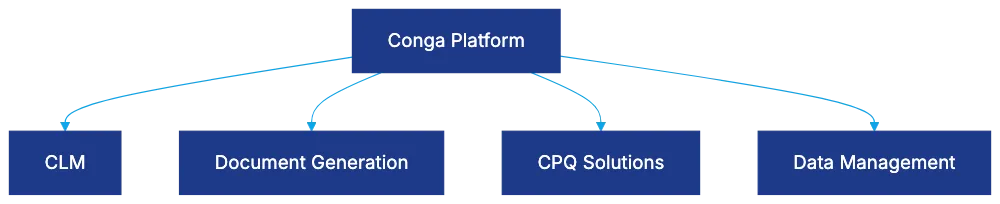
Conga: Revolutionizing Legal Technology for Professionals
Discover how Conga streamlines contract management and document generation for legal teams using Salesforce.
Malbek's Innovative Take on Contract Lifecycle Management
Explore how Malbek's conversational AI transforms contract lifecycle management for legal teams in mid-market and enterprise organizations.
DocuSign CLM: Streamlining Contract Management
Discover how DocuSign CLM enhances contract management with seamless e-signature integration and powerful automation features.